

The Ideal Diagnostic Solutions for Mobile Auto Technicians
As the automotive service industry evolves, more professionals are moving beyond traditional repair shops and offering services directly at customers’ locations. For a diagnostic mobile mechanic, accurate and efficient diagnostics are the foundation of quality service. Without access to a full workshop, mobile technicians must rely on tools that are portable, reliable, and powerful enough to handle modern vehicle systems. Choosing the right diagnostic solution is therefore not just convenient—it’s essential for effective mobile car diagnostics.
Challenges of On-Site Car Diagnostics
Performing on site car diagnostics comes with unique challenges compared to working in a fully equipped garage. Mobile technicians often face unpredictable environments, from roadside breakdowns to tight parking spaces and varying weather conditions. Limited access to power sources, unstable internet connections, and time pressure from customers further complicate the diagnostic process.
In these situations, technicians must quickly identify faults, explain issues clearly, and decide on next steps—all without the benefit of bulky equipment. This makes having a dependable mobile car diagnostic test tool critical for maintaining professionalism and efficiency in the field.
Why Portability and Strong Battery Life Matter
Portability is one of the most important factors for mobile technicians. Carrying heavy or complex equipment between jobs can slow down operations and reduce productivity. A handheld car diagnostic scanner allows technicians to move easily between vehicles and locations while keeping essential diagnostic functions at hand.
Equally important is battery life. Since mobile mechanics cannot always rely on external power, diagnostic tools must operate for extended periods on a single charge. A scanner with strong battery performance ensures uninterrupted diagnostics, even during longer inspections or multiple service calls in one day. For mobile car diagnostics, reliability in power is just as important as accuracy in data.
Using Freeze-Frame and Live Data on the Go
Modern vehicles generate vast amounts of data, and mobile technicians need access to this information in real time. Features such as freeze-frame and live data streaming are especially valuable during on site car diagnostics.
Freeze-frame data captures vehicle conditions at the moment a fault code is triggered, helping technicians understand what caused the issue. Live data, on the other hand, allows continuous monitoring of sensors and system performance while the engine is running. For a diagnostic mobile mechanic, these functions support more informed decisions, reduce guesswork, and help explain findings clearly to customers—an important part of building trust in a mobile service business.
Compact Tools vs Full-Sized Scanners: Which to Choose?
Full-sized diagnostic scanners offer advanced features and large displays, but they are not always practical for mobile work. They can be expensive, heavy, and difficult to transport. Compact diagnostic tools, while smaller, have improved significantly in recent years.
A well-designed handheld car diagnostic scanner can now offer core diagnostic functions such as reading and clearing fault codes, accessing live data, and performing basic system checks. For most mobile car diagnostic test needs, compact tools provide the ideal balance between functionality and convenience. The key is choosing a device that supports multiple vehicle makes while remaining easy to carry and operate.
A Practical Diagnostic Solution for Mobile Technicians
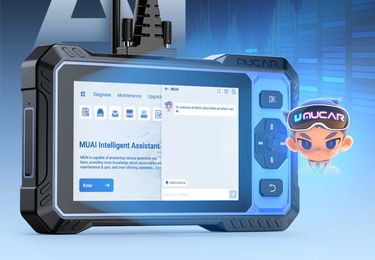
For mobile mechanics seeking a balance between performance and portability, the MUCAR 682 Car Diagnostic Tool is a practical option worth considering. Designed with mobility in mind, its compact and lightweight design makes it easy to carry between jobs, supporting efficient on site car diagnostics and everyday mobile use.
With support for live data and fault code analysis, the MUCAR 682 helps streamline mobile car diagnostics without adding unnecessary bulk to your toolkit. Its handheld form factor and independent power capability allow a diagnostic mobile mechanic to perform reliable checks across multiple locations without relying on external power sources.
By choosing diagnostic equipment that aligns with the practical demands of mobile service—especially ease of transport and setup—technicians can work more efficiently and deliver consistent service wherever the job takes them.
Your Car Care Home

©2025 Dollarfix All Rights Reserved